The Short Version
- The CDC confirms indoor mold exposure causes respiratory symptoms, allergic reactions, and worsened asthma — even in otherwise healthy adults.
- Symptoms follow a pattern: worse indoors, better when you leave. That pattern is the single most reliable indicator.
- Children, elderly adults, pregnant women, and immunocompromised individuals face significantly higher risk from the same exposure levels.
- 21% of the 21.8 million Americans with asthma have mold-attributable cases, according to EPA estimates.
- If two or more symptoms below apply to you or a family member, get your home tested. A professional inspection costs $300-$600 and answers the question definitively.
Indoor mold exposure is not rare, and it is not limited to flood-damaged buildings or condemned houses. The EPA estimates that 50% of U.S. buildings have dampness conditions that support mold growth. The WHO's 2009 Guidelines for Indoor Air Quality: Dampness and Mould concluded that occupants of damp or moldy buildings have a 30-50% increased risk of respiratory outcomes.
The problem is that mold symptoms overlap with dozens of common conditions. Chronic congestion gets attributed to seasonal allergies. Fatigue gets blamed on poor sleep. Headaches get treated with ibuprofen. The mold colony behind the bathroom wall — the actual cause — goes unaddressed for months or years while symptoms escalate.
This guide covers the 12 most documented symptoms of residential mold exposure, organized by the body system they affect. We cite CDC, EPA, WHO, and peer-reviewed sources throughout. None of this replaces medical advice, but it should help you determine whether mold is worth investigating as a cause of what you've been experiencing.
What's In This Guide
Respiratory Symptoms
Respiratory effects are the best-documented category of mold-related illness. The Institute of Medicine's 2004 report Damp Indoor Spaces and Health found sufficient evidence to link indoor mold exposure to upper respiratory tract symptoms, cough, wheeze, and asthma exacerbation. These are not speculative connections — they are conclusions from systematic review of hundreds of studies.
Chronic Coughing or Wheezing
A persistent cough — dry or productive — that lasts more than three weeks without a clear infection is one of the most common mold exposure symptoms. Mold spores and fragments are small enough (2-10 microns) to penetrate deep into the lower respiratory tract. Once there, they trigger an inflammatory response that produces mucus, bronchial constriction, and the persistent urge to cough.
Wheezing — a high-pitched whistling sound during exhalation — indicates narrowed airways. In people without a history of asthma, new-onset wheezing that correlates with time spent in a specific building is strongly suggestive of mold or other bioaerosol exposure.
The telling pattern: The cough is worse at night (when your bedroom air recirculates), worse in certain rooms, or noticeably better after several days away from the home.
Nasal Congestion and Sinus Pressure
Chronic stuffiness that doesn't respond to decongestants or antihistamines is a hallmark of mold-triggered rhinitis. Mold spores are potent allergens that trigger IgE-mediated immune responses in the nasal mucosa — the same mechanism behind hay fever, but triggered by an indoor source that doesn't follow a seasonal pattern.
Unlike seasonal allergies, mold-related congestion is persistent. It doesn't come and go with pollen counts. It may worsen in humid weather (which promotes mold growth) and improve during dry, cold periods when indoor mold activity slows. Recurrent sinus infections — three or more per year — in someone living in a building with known or suspected mold warrant investigation. A 2012 Mayo Clinic study found that fungi were the probable cause of chronic sinusitis in the majority of cases studied.
Sneezing and Runny Nose
Frequent sneezing fits, particularly upon entering a room or waking up in the morning, can indicate mold spore exposure. The body's first-line defense against inhaled particles is the sneeze reflex, and mold spores are extremely effective at triggering it.
A persistently runny nose with clear, watery discharge (as opposed to the thick, colored mucus of a bacterial infection) points toward an allergic response. When this symptom appears alongside two or more other items on this list — especially if it follows the "better away, worse at home" pattern — mold should move to the top of the differential list.
Shortness of Breath or Chest Tightness
Difficulty taking a full breath, a feeling of chest compression, or visible labored breathing are serious symptoms that demand attention. In the context of mold exposure, these symptoms indicate that the inflammatory response has moved beyond the upper respiratory tract into the lungs themselves.
For people with pre-existing asthma, mold exposure is a documented trigger for acute exacerbations. The CDC reports that dampness and mold in homes are associated with a 30-50% increase in asthma-related health outcomes. For people without asthma, new-onset dyspnea in a mold-contaminated environment can indicate hypersensitivity pneumonitis — an inflammatory condition of the lung tissue caused by inhaling organic particles.
Immediate action: If you experience sudden difficulty breathing, chest pain, or severe wheezing, go to an emergency room. These symptoms can indicate a severe allergic reaction or asthma attack requiring immediate treatment. Address the mold after your health is stabilized.
Respiratory Symptoms That Won't Clear Up?
If coughing, congestion, or breathing difficulty has persisted for 3+ weeks without a clear cause, your home's air quality could be the problem. A certified mold inspection identifies whether mold is present and at what concentration levels.
Call (888) 751-3962Free phone consultation. Local specialists available now.
Neurological Symptoms
Neurological effects of mold exposure are less widely discussed than respiratory symptoms, but the research base is growing. Mycotoxins — toxic compounds produced by certain mold species including Stachybotrys chartarum, Aspergillus, and Penicillium — can affect the central nervous system. A 2003 study published in Archives of Environmental Health found measurable neurological deficits in occupants of water-damaged buildings with confirmed mold contamination.
Persistent Headaches
Headaches that follow a location-based pattern are one of the most overlooked mold indicators. The mechanism involves two pathways: direct irritation from inhaled mold volatile organic compounds (MVOCs), and systemic inflammation triggered by mycotoxin exposure.
Mold-related headaches tend to have specific characteristics. They are more frequent or more severe in certain rooms or at certain times (especially morning, after hours of breathing recirculated bedroom air overnight). They improve during vacations, work travel, or extended time away from home. Over-the-counter pain medication provides temporary relief but doesn't prevent recurrence.
What separates mold headaches from tension headaches or migraines: the location pattern. If you track your headaches for two weeks and they consistently correlate with time in a specific building, indoor air quality is a strong candidate.
Difficulty Concentrating ("Brain Fog")
Trouble focusing, difficulty retaining information, slowed processing speed, and a general feeling of mental cloudiness are collectively described as "brain fog" — and they are consistently reported by occupants of mold-contaminated buildings.
A 2003 study by Dr. Kaye Kilburn published in Archives of Environmental Health tested neurological function in 210 people exposed to mold in their homes. Compared to controls, the exposed group showed statistically significant deficits in reaction time, balance, color discrimination, and visual field performance. These are objective, measurable cognitive impairments — not subjective complaints.
Parents: difficulty concentrating in children can manifest as declining school performance, behavioral changes, or what looks like emerging attention deficit issues. If cognitive changes in a child coincide with a move to a new home or follow water damage, mold exposure should be evaluated before attributing the changes to other causes.
Dizziness and Vertigo
Episodes of lightheadedness, imbalance, or a sensation that the room is spinning can result from mold exposure through its effects on the vestibular system. Mycotoxins, particularly trichothecenes produced by Stachybotrys, have documented neurotoxic properties that can affect balance and spatial orientation.
Mold-related dizziness is typically mild to moderate — it's not the room-spinning vertigo of an inner ear infection, but a persistent, low-grade unsteadiness that worsens during extended time indoors. It may be accompanied by difficulty walking in a straight line, problems with hand-eye coordination, or a general sense of being "off."
Memory Lapses
Short-term memory problems — forgetting what you walked into a room for, losing track of conversations, struggling to recall recent events — are reported at elevated rates among people with confirmed mold exposure. The Kilburn study found word recall and digit span scores significantly depressed in the exposed group.
This symptom is particularly concerning because it is progressive with continued exposure. People describe a gradual decline over months — not a sudden change — which makes it easy to normalize. "I've been forgetful lately" gets attributed to aging, stress, or sleep deprivation, while the underlying cause continues unaddressed.
Headaches, Brain Fog, or Memory Problems at Home?
Neurological symptoms that follow a location-based pattern are a strong signal. A mold inspection with air quality testing can confirm or rule out mold exposure in under 2 hours.
Take the Free Mold Risk Quiz30 seconds. No contact info required. Immediate results.
Skin & Eye Symptoms
Mold affects skin and eyes through both direct contact (touching contaminated surfaces) and airborne exposure (spores and fragments settling on exposed skin and mucous membranes). These symptoms are frequently treated by dermatologists and ophthalmologists without the underlying environmental cause being identified.
Skin Rashes, Itching, or Hives
Unexplained skin reactions — including raised red patches, persistent itching without visible cause, hives, or eczema flares — can result from mold spore exposure. The mechanism is an IgE-mediated allergic response: your immune system identifies mold proteins as threats and triggers histamine release in the skin.
Mold-related dermatitis tends to affect areas with thin skin or areas that come into direct contact with contaminated surfaces: forearms, neck, face, and hands. Unlike contact dermatitis from a cleaning product or fabric, mold-related rashes may appear without any new products, detergents, or fabrics being introduced.
Key pattern: The rash appeared or worsened after moving into a new home, after a water damage event, or during humid months. Topical treatments help temporarily, but the rash returns because the allergen source is continuous.
Red, Watery, or Itchy Eyes
Chronic eye irritation — redness, excessive tearing, itchiness, or a gritty sensation — is one of the most common mold allergy symptoms. Mold spores are potent airborne irritants that land on the conjunctiva (the moist membrane covering the eye) and trigger an inflammatory response.
Unlike viral conjunctivitis ("pink eye"), mold-related eye irritation typically affects both eyes simultaneously, doesn't produce thick discharge, and doesn't resolve within 7-10 days. It persists as long as the exposure continues. Eye drops provide temporary relief, but the symptoms return within hours of re-entering the affected space.
General & Systemic Symptoms
Systemic symptoms affect the body as a whole rather than a single organ system. They are the hardest mold symptoms to attribute correctly because they overlap with so many other conditions — from thyroid disorders to chronic fatigue syndrome to depression. But when they appear in combination with respiratory or neurological symptoms, and when they follow the "better away, worse at home" pattern, mold becomes a high-probability explanation.
Chronic Fatigue and Weakness
Deep, persistent exhaustion that doesn't improve with adequate sleep is one of the most debilitating mold exposure symptoms — and one of the most frequently misdiagnosed. The fatigue is not ordinary tiredness. People describe it as feeling physically heavy, needing to rest after minimal exertion, or being unable to sustain activities they previously handled without difficulty.
The mechanism involves chronic immune activation. Your body is fighting a continuous battle against inhaled mold spores and mycotoxins, and that sustained inflammatory response consumes enormous metabolic resources. Think of it as running a low-grade fever 24 hours a day — you wouldn't expect to feel energetic, and you don't.
Research into chronic inflammatory response syndrome (CIRS), a condition associated with biotoxin exposure including mold, has documented fatigue as the most commonly reported symptom — present in over 90% of confirmed cases. CIRS is associated with a specific genetic marker (HLA-DR) found in approximately 25% of the population, which impairs the body's ability to clear mold biotoxins efficiently.
Increased Susceptibility to Infections
If you've noticed that you or family members are catching colds more frequently, taking longer to recover from minor illnesses, or developing infections that were previously rare, mold exposure may be suppressing immune function.
Certain mycotoxins — particularly aflatoxins (Aspergillus species) and trichothecenes (Stachybotrys) — have documented immunosuppressive properties. They reduce the activity of natural killer cells and T-lymphocytes, which are critical components of your immune defense against infections. A 2004 review in Clinical Microbiology Reviews detailed how chronic mycotoxin exposure impairs both innate and adaptive immunity.
This symptom is especially concerning in households with young children. A child who is "always sick" — cycling through ear infections, respiratory infections, and stomach bugs more frequently than their peers — may be experiencing immune suppression from continuous mold exposure rather than simply having "bad luck" with germs.
Tired of Being Tired?
Chronic fatigue plus any respiratory symptom in the same household is a strong signal. A 10-minute phone call with a mold specialist can help you determine whether your home needs testing.
Call (888) 751-3962Free consultation. No commitment. Local specialists in your area.
Who Is Most at Risk?
Mold affects everyone differently, but the CDC and WHO identify specific populations that face disproportionately higher risk from the same exposure levels. If anyone in your household falls into these categories, the threshold for action should be lower — not higher.
High-Risk Groups
- Infants and children under 5: Their lungs are still developing, they breathe more air per pound of body weight than adults, and they spend more time on floors where mold spores settle at higher concentrations. A 2012 study in Pediatrics found that mold exposure in the first year of life increased asthma risk by age 7 by 2.6 times.
- Adults over 65: Age-related decline in immune function (immunosenescence) reduces the body's ability to clear mold spores and mycotoxins. Respiratory reserve is lower, making mold-related breathing difficulties more dangerous.
- Pregnant women: Immune modulation during pregnancy increases susceptibility to environmental irritants. Additionally, some animal studies have shown mycotoxin transfer across the placenta, though human data is limited. The precautionary principle applies: if you're pregnant and suspect mold, address it now.
- People with asthma or chronic respiratory disease: The CDC states that mold exposure can trigger asthma attacks and worsen existing chronic lung conditions. For the 25 million Americans with asthma, indoor mold is a controllable trigger that often goes unidentified.
- Immunocompromised individuals: This includes people undergoing chemotherapy, organ transplant recipients on immunosuppressive drugs, and people living with HIV/AIDS. For these individuals, mold exposure can cause invasive fungal infections — not just allergic reactions — which can be life-threatening. Aspergillosis, caused by Aspergillus mold species, is a serious concern in this population.
- People with the HLA-DR genetic variant: Approximately 24% of the general population carries gene variants that impair the body's ability to recognize and clear mold biotoxins. These individuals are susceptible to developing CIRS (Chronic Inflammatory Response Syndrome) from mold exposure levels that would cause minimal symptoms in others.
For parents: Young children often cannot articulate symptoms like headaches, brain fog, or fatigue. What you may observe instead: increased irritability, disrupted sleep patterns, declining interest in activities, frequent illness, and persistent runny nose or cough without fever. If these coincide with a home environment change — new house, recent water damage, visible moisture — don't wait for symptoms to resolve on their own.
How to Know If Mold Is the Cause
Symptoms alone cannot confirm mold as a cause — they can only raise it as a strong possibility. Confirmation requires connecting your symptoms to your environment through a systematic process. Here's how to build that connection.
Step 1: Track the Location Pattern
For two weeks, keep a simple log. Rate your primary symptoms on a 1-10 scale each morning and evening. Note where you spent the majority of the day. Track whether symptoms improve on weekends away, during travel, or at a different location. If your log shows a consistent pattern — worse at home or at work, better elsewhere — you have a strong environmental signal worth investigating.
Step 2: Visual and Smell Inspection
Walk through your home with a flashlight. Check under sinks, behind toilets, around windows (especially condensation-prone ones), in the basement and crawl space, around HVAC vents, and in any area that has ever had water damage. Look for discoloration, staining, peeling paint or wallpaper, and warped surfaces. Use your nose — a musty, earthy smell that is stronger in certain areas indicates active mold growth, even if you can't see it.
Step 3: Professional Mold Inspection
A certified mold inspector (CMI or CIH) uses calibrated tools that go beyond what you can assess visually:
- Air sampling: Measures spore concentration in indoor air versus outdoor air. Elevated indoor counts relative to outdoor baseline confirm an active indoor source. Results take 24-48 hours from an accredited lab.
- Surface sampling: Tape-lift or swab samples identify the specific mold species present on a surface. This matters because toxigenic species (Stachybotrys, Aspergillus, Chaetomium) require more aggressive remediation than common species (Cladosporium, Penicillium).
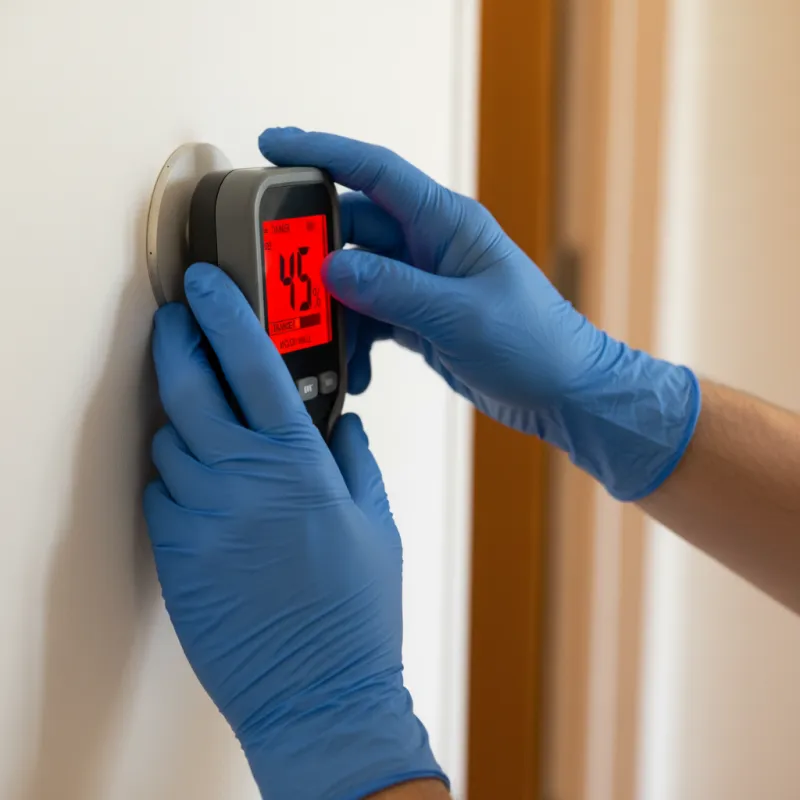
- Moisture mapping: Using pin-type and pinless moisture meters plus infrared thermal imaging, the inspector identifies moisture anomalies in walls, floors, and ceilings that indicate active water intrusion — the root cause that must be fixed for remediation to work.
A thorough professional mold inspection costs $300-$600 for an average home. Lab analysis is typically included. The inspection itself takes 1-3 hours. You will receive a written report documenting findings, spore counts, identified species, moisture readings, and remediation recommendations if needed.
Step 4: Medical Evaluation
Bring your symptom log and inspection report to your doctor. Specific tests that can evaluate mold-related illness include:
- IgE allergy testing: Blood test measuring specific IgE antibodies to common mold allergens (Alternaria, Aspergillus, Cladosporium, Penicillium). A positive result confirms allergic sensitization.
- Pulmonary function tests: Spirometry measures lung capacity and airflow. Restrictive or obstructive patterns may indicate mold-related respiratory damage.
- C4a and TGF-beta-1: Inflammatory markers associated with CIRS. Elevated levels, combined with mold exposure history, support a biotoxin illness diagnosis.
- Visual Contrast Sensitivity (VCS) test: A screening tool for neurotoxin exposure. While not mold-specific, abnormal VCS results in the context of confirmed mold exposure support neurological involvement.
Not Sure Where to Start?
A certified mold specialist can walk you through what to look for, whether testing makes sense for your situation, and what it costs. The phone consultation is free and takes 10 minutes.
Call (888) 751-3962Available 7 days a week. Local specialists in your area.
When to See a Doctor
Not every mold symptom requires a doctor visit. Mild nasal congestion that resolves when you leave the building is your body working as designed — it's telling you the air quality is poor, and you should address the source. But certain symptom combinations and severity levels warrant medical evaluation. Use this as a decision framework.
See your primary care doctor if:
- You have three or more symptoms from the list above that have persisted for more than two weeks
- Respiratory symptoms (coughing, wheezing, congestion) are worsening over time rather than staying stable
- You've developed new-onset asthma symptoms (wheezing, chest tightness, shortness of breath with exertion) without a prior asthma diagnosis
- Fatigue or cognitive symptoms are affecting your ability to work or care for your family
- A child in your home has declining school performance, increased illness frequency, or new behavioral concerns that coincide with potential mold exposure
Go to urgent care or the emergency room if:
- Severe difficulty breathing — you cannot complete a sentence without stopping to breathe
- Asthma attack that doesn't respond to rescue inhaler within 10-15 minutes
- Chest pain accompanying breathing difficulty
- Fever above 101.3°F combined with cough and known mold exposure — this can indicate hypersensitivity pneumonitis or fungal pneumonia
- Coughing up blood (hemoptysis) — rare but can occur with invasive aspergillosis in immunocompromised individuals
If you are undergoing chemotherapy, taking immunosuppressive medications, or have been diagnosed with HIV/AIDS — and you have confirmed or suspected mold exposure — contact your treating physician immediately, regardless of symptom severity. Invasive fungal infections in immunocompromised patients can progress rapidly and require antifungal treatment, not just mold removal. Do not wait for severe symptoms to develop.
What to tell your doctor
Mold-related illness is underdiagnosed in part because patients don't connect their symptoms to their environment. When you see your doctor, bring this information:
- Your symptom log showing the location-based pattern (worse at home, better away)
- Any mold inspection reports or air quality test results
- Photos of visible mold in your home
- A timeline — when symptoms started, whether they coincide with a move, renovation, or water damage event
- A list of all household members and whether they share similar symptoms
This information lets your doctor evaluate an environmental cause rather than treating symptoms in isolation. Without it, the standard approach is to prescribe antihistamines and decongestants — which manage symptoms but don't resolve the root cause.
What to Do Right Now
If you've read this far and two or more symptoms resonated with your experience, here's the practical path forward — in order of priority.
Your Action Plan
- Today: Walk through your home with a flashlight and your nose. Check under sinks, around windows, in the basement, and near HVAC vents. Document anything you see or smell with photos.
- This week: Start a symptom log. Track severity by location for 7-14 days. This data is the single most useful thing you can bring to a doctor or mold inspector.
- If you find visible mold or have a clear location pattern: Call a certified mold inspector. A professional assessment costs $300-$600 and gives you definitive answers — species identification, spore counts, moisture source identification, and a remediation scope if needed.
- If symptoms are severe or affecting a high-risk family member: Don't wait two weeks for a symptom log. Call a mold specialist today and book a medical appointment this week. Parallel-track both.
- Reduce exposure immediately: Run a HEPA air purifier in bedrooms (minimum CADR 200 for a standard bedroom). Keep indoor humidity below 50% with a dehumidifier. Increase ventilation by opening windows when outdoor air quality and temperature allow.
Mold exposure is one of the few health problems where the cause is in your home and the solution is known. You don't need a new medication. You don't need to learn to live with it. You need to identify the source, remove it, and fix the moisture problem that created it. A certified specialist can tell you exactly what that involves for your specific situation.
The first step is a phone call. It costs nothing, takes ten minutes, and gives you a clear picture of whether professional testing is warranted. The mold is not going to fix itself. The symptoms will not improve until the source is addressed. The sooner you act, the smaller and less expensive the problem is to resolve.
Ready to Find Out What's in Your Air?
We connect homeowners with certified, insured mold inspection and remediation companies. Describe your situation, get a same-day call back, and find out what your options are — before symptoms get worse.
Call (888) 751-3962Free consultation. No pressure. Available 7 days a week.