That Mold Could Be Poisoning Your Family Right Now.
A Cleveland family spent 3 years treating their daughter’s “chronic asthma” before discovering black mold inside their walls. The mold had been releasing mycotoxins into the air every time the HVAC ran. Get a free inspection before it gets worse.
“My kids had headaches and nosebleeds for months. Turns out we had Stachybotrys growing inside the bathroom wall. One inspection found it in 20 minutes.” — Michelle T., Houston
Is Your Mold Toxic? Find Out in 4 Questions.
No contact info needed. Just answers.
Your Mold Exposure Is at a Critical Level.
Your answers indicate a serious exposure risk. Mycotoxins may already be circulating through your HVAC system and into every room of your home. Do not touch or disturb the mold. Disturbing toxic mold without professional containment launches millions of spores into the air and can make exposure dramatically worse. Call now for an emergency assessment before it spreads further.
Call (888) 751-3962 NowFree emergency assessment • IICRC certified pros • Available 24/7
Your Mold Situation Is Escalating.
Your answers show warning signs consistent with toxic mold exposure. Mold at this stage doubles in size every 24–48 hours. What you can see is almost always a fraction of what’s growing behind walls, under flooring, and inside your air system. A certified inspector can determine the species and how far it has already spread.
Call (888) 751-3962 NowFree inspection • IICRC certified pros • Available 24/7
Your Mold Needs Professional Testing.
Even small mold growth releases thousands of airborne spores into your home daily. You cannot determine whether mold is toxic by looking at it — color tells you nothing. The only way to know if your family is at risk is professional air quality testing. Most homeowners are shocked by what the inspection reveals.
Call (888) 751-3962 NowFree inspection • IICRC certified pros • Available 24/7
What Happens When You Don’t Get Your Mold Tested
These aren’t hypotheticals. These are documented cases of families who waited too long.
Infant Hospitalized With Bleeding Lungs
A cluster of infants in Cleveland developed pulmonary hemorrhage — bleeding in the lungs — linked to heavy Stachybotrys contamination in water-damaged homes. The CDC investigation found mycotoxin levels in the homes were hundreds of times above background levels. Several families had seen the mold and assumed it was “just cosmetic.”
Source: CDC MMWR, 2000Family Abandons $1.2M Home
Melinda Ballard’s family developed chronic fatigue, memory loss, and bleeding lungs after Stachybotrys colonized their 22-room home following a plumbing leak the insurance company was slow to fix. They were awarded $32 million in damages. The home was ultimately demolished.
Source: Ballard v. Fire Insurance Exchange, 2001Teacher Develops Permanent Lung Damage
A school teacher developed irreversible pulmonary fibrosis after years of working in a classroom with hidden mold behind water-damaged walls. The school district had received multiple complaints about musty odors but delayed remediation for 3 years. She can no longer work.
Source: Cal/OSHA complaint recordsThink your mold “isn’t that bad”? So did every family above. A free inspection takes 20 minutes and tells you exactly what you’re dealing with.
Schedule Your Free Inspection — (888) 751-3962From Exposed to Protected in 3 Steps
Every day without an inspection, your family breathes in more spores. Here’s how to stop it.

Tell Us What You Found
Describe what you’re seeing or smelling. Takes 30 seconds. We use this to match you with a specialist who handles your exact situation.
Schedule Your Free Inspection
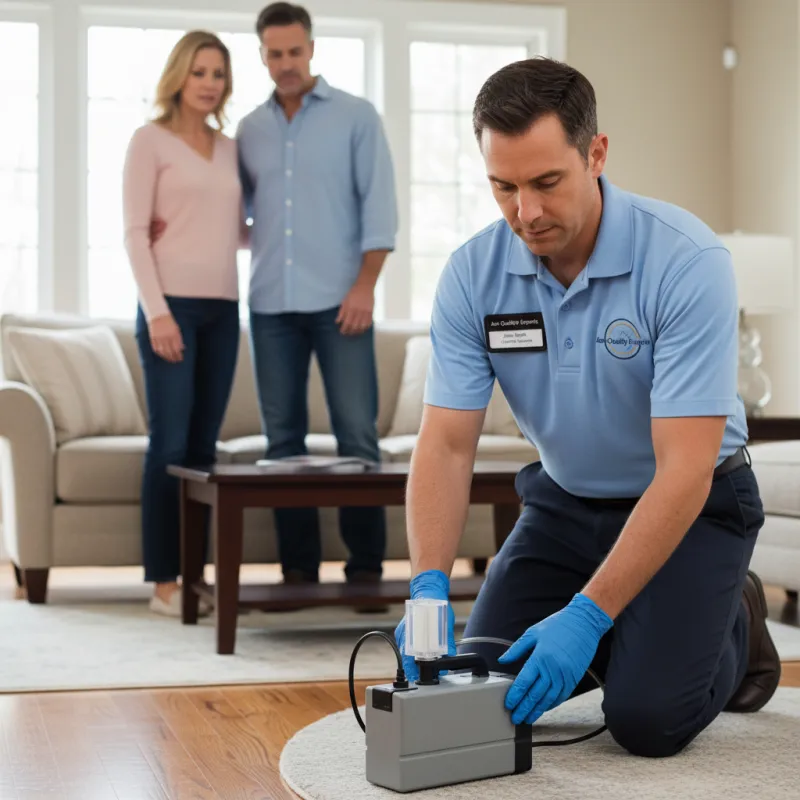
A certified mold inspector in your area comes to your home. They test the air, check behind walls, and identify exactly what species you’re dealing with.
Get the Truth About Your Mold
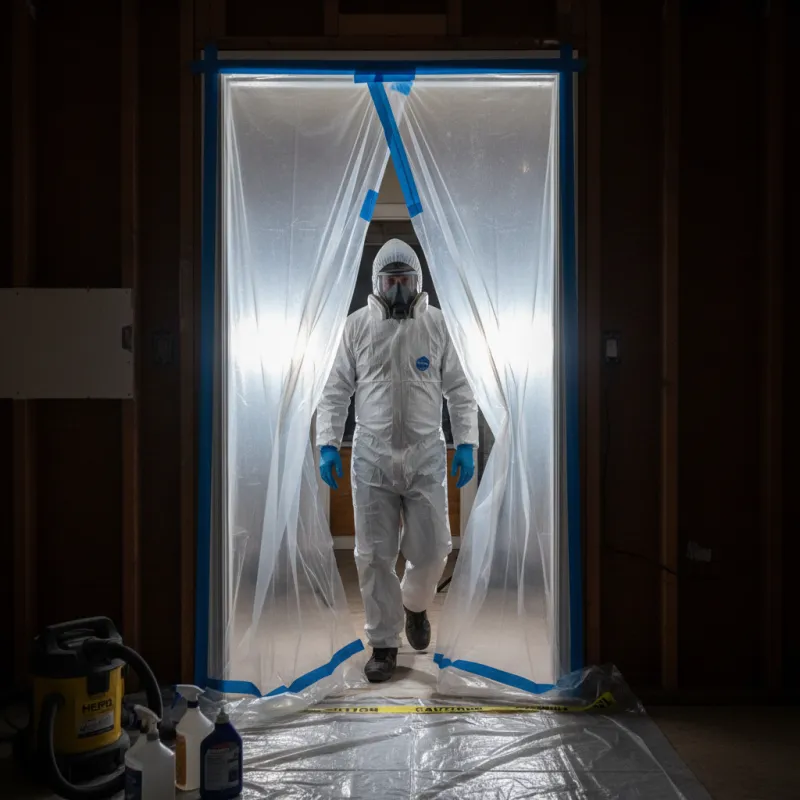
You’ll know if it’s toxic, how far it’s spread, and what needs to happen next. Most homeowners are shocked by what the inspection reveals.
Common Mold Types & Their Danger Level
Over 100,000 species exist. Here are the ones most likely in your home.
Stachybotrys (Black Mold)
Produces trichothecene mycotoxins — the same class of toxin studied as a biological weapon. Causes bleeding lungs in infants (pulmonary hemorrhage), memory loss, chronic fatigue, and immune system collapse. A Florida family was hospitalized for 6 weeks after Stachybotrys colonized their HVAC. If you see dark, slimy growth on drywall — do not touch it. Call a professional immediately.
Aspergillus
The #1 cause of invasive fungal infection in the U.S. Releases aflatoxins — a known carcinogen — into your air. Can colonize your lungs (aspergillosis), causing permanent scarring. Especially lethal for children, elderly, and anyone on immunosuppressants. Hides in HVAC ductwork and spreads to every room in the house. You can’t see it, but your lungs can feel it.
Penicillium
Fast-spreading blue-green mold common after water damage. Triggers allergies, asthma attacks, and sinus infections. Spreads rapidly through air and can contaminate your HVAC. Not as toxic as Stachybotrys but still needs professional attention for large areas.
Chaetomium
Commonly found in water-damaged buildings. Starts white, turns dark over time. Produces a distinct musty odor. Can cause skin and nail infections. Often found alongside Stachybotrys in chronically wet drywall and ceiling tiles.
Cladosporium
The most common outdoor and indoor mold. Olive-green to brown. Triggers allergies and asthma but rarely produces mycotoxins. Often found on fabrics, wood, and HVAC vents. Small patches can be DIY-cleaned; large areas need a pro.
Alternaria
Common allergenic mold found in bathrooms, under sinks, and near windows. Appears dark brown with a velvety texture. Main concern is triggering allergies and asthma. Usually manageable with moisture control and cleaning for small areas.
What Mold Remediation Actually Costs
Real cost ranges based on location, severity, and mold type. Updated for 2026.
| Service | Typical Cost | Timeframe | Notes |
|---|---|---|---|
| Mold Inspection | $200–$600 | 1–2 hours | Visual inspection, moisture mapping, identifies source |
| Mold Testing (Lab) | $300–$800 | 3–5 day results | Air sampling + surface swabs. Identifies species. |
| Bathroom Remediation | $500–$1,500 | 1 day | Shower/tub area, ventilation fixes, caulking |
| Basement Remediation | $1,500–$4,000 | 2–3 days | Containment, HEPA filtration, drywall removal |
| Crawl Space | $1,500–$5,000 | 2–4 days | Encapsulation, vapor barrier, drainage work |
| Attic Remediation | $2,000–$6,000 | 2–4 days | Roof leak repair, sheathing treatment, ventilation |
| HVAC / Ductwork | $3,000–$8,000 | 2–5 days | Full system cleaning, coil treatment, duct sealing |
| Whole-House Remediation | $5,000–$15,000+ | 5–10 days | Multiple areas, containment zones, extensive rebuild |
| Post-Remediation Testing | $200–$400 | 3–5 day results | Clearance test to confirm mold levels are safe |
Costs vary by region, mold type, and accessibility. Always get 3+ quotes. Insurance may cover remediation if mold resulted from a covered event (pipe burst, appliance failure).
Does Your Insurance Cover Mold Removal?
The answer depends on what caused the mold. Here’s what’s typically covered and what isn’t.
Sudden Pipe Burst
Water damage from a burst pipe is a “covered peril” in most policies. Mold that results from it is typically covered up to your policy limits.
Appliance Failure
Washing machine overflow, water heater burst, or dishwasher leak — if the appliance failed suddenly, resulting mold damage is usually covered.
Storm / Ice Dam Damage
Wind-driven rain or ice dams that damage your roof and lead to interior mold are covered under most homeowner policies.
Gradual Leaks / Neglect
A slow roof leak you ignored for months, condensation buildup, or failure to maintain your property — insurers consider this preventable and deny claims.
Flooding (Without Flood Insurance)
Standard homeowner policies do not cover flood damage. You need separate NFIP or private flood insurance for mold caused by external flooding.
High Humidity / Poor Ventilation
Mold from chronic humidity, poor ventilation, or lack of dehumidification is considered a maintenance issue and is excluded from coverage.
How to Maximize Your Mold Claim
Act fast. Document the water damage immediately. Insurers deny claims when homeowners wait too long to address the source.
Take dated photos. Photograph everything before cleanup. Timestamped photos are your strongest evidence for a claim.
File the claim first. Call your insurer before hiring a remediation company. Many policies require pre-approval or preferred vendors.
Get a professional inspection. An independent mold assessment creates documentation your adjuster can’t easily dispute.
Check your mold cap. Most policies cap mold coverage at $5,000–$10,000. If your job exceeds that, consider a mold endorsement for next year.
These Symptoms Mean You’re Already Being Exposed
By the time you see mold, you’ve been breathing spores for weeks. If any of these sound familiar, your home may already be making you sick.
Coughing, Wheezing, or Nosebleeds
A Texas family’s 4-year-old had nosebleeds 3× a week for a year. Doctors prescribed allergy meds. Turned out to be Stachybotrys in the wall behind her bed. If symptoms get worse at home and better when you leave — it’s the air inside your house.
Kids, Babies, or Pregnant Women in the Home
Infant lungs are 6× more vulnerable to mycotoxins than adults. The CDC linked Stachybotrys to pulmonary hemorrhage (bleeding lungs) in infants in Cleveland. Pregnant women exposed to high mold levels face increased risk of preterm birth. This is not something you “wait and see” on.
Mold Covers 10+ Square Feet
The EPA’s threshold for professional remediation. Disturbing large mold colonies without containment spreads millions of spores throughout your home.
Musty Smell You Can’t Find the Source Of
If you can smell it, your spore count is already dangerously high. Hidden mold behind walls produces millions of airborne spores daily. A family in Georgia spent $47,000 on remediation after ignoring a “musty closet” for 8 months. By then it was in every wall of the house.
You’ve Already Tried to Clean It Yourself
Scrubbing mold with bleach does NOT kill it — it strips the surface color while the root system goes deeper into the drywall. Worse, disturbing mold without containment launches millions of spores into the air. Many homeowners unknowingly make their exposure 10× worse by trying to DIY it.
Every Day You Wait, It Gets Worse.
Mold doubles every 24–48 hours. A $1,500 problem this week is a $6,000 problem next month and a $15,000 problem by summer. And that’s just the house — the medical bills from prolonged exposure can dwarf the remediation cost. Schedule a free inspection now.
Call (888) 751-3962Free assessment • 24/7 • No obligation
What Homeowners Are Saying
Thousands of families have used our platform to find trusted mold remediation professionals.
“My 6-year-old had chronic sinus infections and headaches for over a year. Three different doctors, no answers. I filled out the quiz on a hunch and had an inspector out the next morning. Black mold behind the bathroom wall — 18 inches from her bedroom. It was in the air ducts too. She hasn’t had a single sinus infection since the remediation.”
“We had a ‘musty smell’ in the basement for months. I kept putting off the inspection because it didn’t look that bad. When they finally came out, they found Aspergillus covering 40 square feet behind the drywall. My wife had been having breathing problems that whole time. I’ll never forgive myself for waiting.”
“I tried to clean it myself with bleach — twice. It kept coming back. The inspector told me I’d been launching spores into the air every time I scrubbed. The mold was inside the wall, not on the surface. What I thought was a $200 DIY fix turned into a $3,800 remediation because I waited. Get the inspection first.”
Your Questions, Answered
Free Mold Guides
Expert guides to help you understand mold risks, costs, and your options.
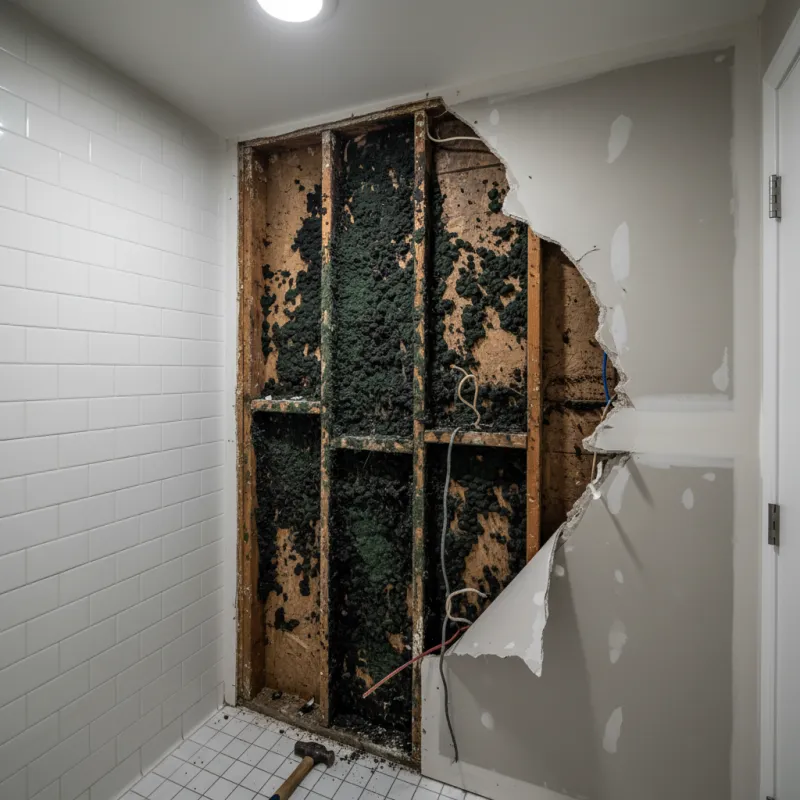
Black Mold vs Regular Mold: What’s Actually Dangerous?
Not all dark mold is toxic. Here’s how to tell the difference.
Mold Remediation Costs: What 500 Homeowners Actually Paid
Real cost data from $500 bathroom jobs to $15K+ whole-house remediation.
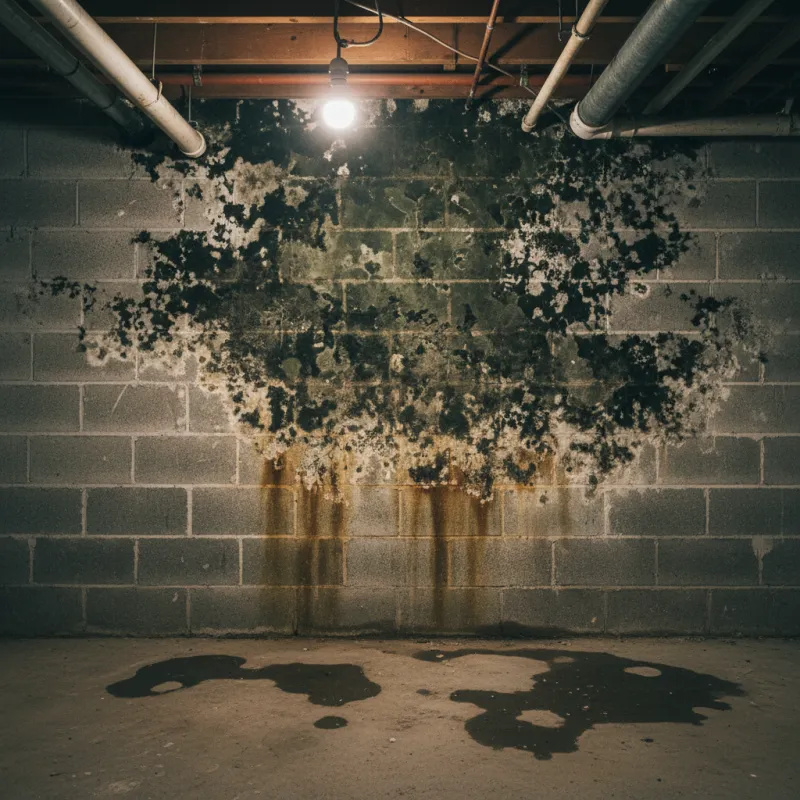
7 Signs You Need Professional Mold Removal (Not DIY)
The EPA 10 sq ft rule and 6 other situations where bleach won’t cut it.
Is Mold Making You Sick? 12 Symptoms You Shouldn’t Ignore
Respiratory, neurological, and skin symptoms linked to indoor mold exposure.
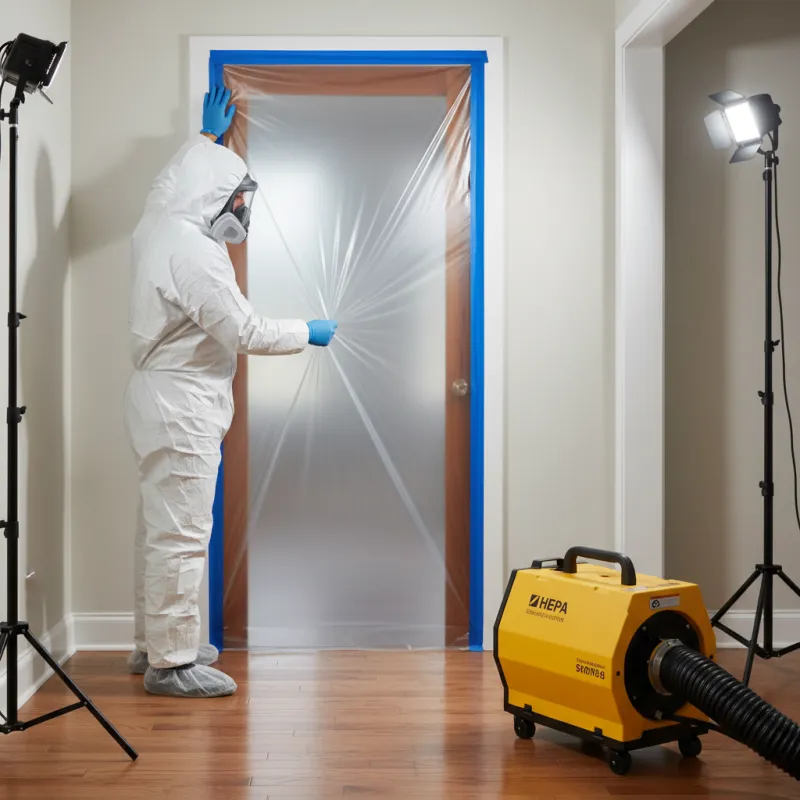
What Happens During Professional Mold Remediation (Step by Step)
From inspection to clearance testing — what to expect and how long it takes.
Why This Site Exists
Indoor mold exposure is a public health crisis that doesn’t get the attention it deserves. 93% of chronic sinus infections are linked to mold (Mayo Clinic). 28% of people carry genes that make them hypersensitive to mycotoxins. The WHO has found no safe level of mycotoxin exposure. And yet most homeowners have no idea whether the mold in their home is dangerous — or where to turn for trustworthy information.
Is My Mold Toxic? is an independent publisher and comparison service built to close that gap. We provide free, research-backed guides on mold health risks, remediation costs, insurance coverage, and when you actually need a professional — all in one place, without the pressure of a contractor sales pitch.
When you’re ready to take action, we connect you with certified, insured mold professionals in your area for a free inspection. Our content is informed by EPA guidelines, CDC research, and IICRC industry standards. We are not a mold remediation company. We don’t perform inspections, testing, or remediation work ourselves.
Our partners compensate us. When you connect with a mold remediation professional through our platform — by calling our number or submitting a contact form — the contractor may pay us a referral fee. This is how we keep our guides, tools, and resources free for homeowners.
This fee is paid by the contractor, not by you. It does not affect the price you pay for any services. Our editorial content — guides, cost estimates, health information — is written independently and is not influenced by our partner relationships.
Independent
We don’t own a mold company. No stake in who you hire.
Research-Backed
CDC, EPA, Mayo Clinic, and IICRC standards. Not contractor marketing.
Vetted Pros
IICRC certified, licensed, and insured. We check before we connect.
For Contractors
Licensed mold remediation company looking for qualified leads? We work with certified professionals across the country to connect them with homeowners who are actively searching for help.
✓ High-Intent Leads
Our visitors arrive with a specific mold problem. They're not browsing — they're ready to talk to a professional.
✓ Pay-Per-Call Model
You pay for calls, not clicks. No wasted spend on traffic that never converts to a real conversation.
✓ Geo-Targeted
Leads are routed to contractors based on the homeowner's zip code — no competing with contractors 500 miles away.
✓ No Long-Term Contract
Start and stop on your schedule. We want contractors who stay because the quality is there, not because of a contract.
To learn more about our contractor program: [email protected]